A unique and viable approach to establishing local food self-reliance and building stronger communities.

Sunday, July 22, 2012

Weed 'Em and Reap

Monroe Sharing Garden - early July, 2012
One of our recent posts indicated that volunteer participation was down this year. Well, in the last few weeks, the summer weather has arrived (it's been in the mid-seventies to the mid-eighties...just glorious!) and the good weather has brought with it an upsurge in the gardens growth AND some wonderful, large, group-sessions with the volunteers. What follows is what we like to call the "Giver's Gallery" If you're local and you want to come join the fun, here's a link to the scheduled times we meet at the garden.

It's a jungle out there! July 2012
We wish to extend thanks to David Crosby for the fencing materials left by the side of the road. Also for the offer to till up some more ground at the Monroe site. We've maxed out the space within the current fence and have begun dreaming of fencing in a new area where we could plant some berries, some orchard trees and grow some of the crops that don't need as much tending throughout the summer - like potatoes and winter squash. We'll be in touch! Thanks also to all the Monroe residents who've been bringing us your grass clippings; to people dropping off pots and flats and other garden supplies. You are helping to make the gardens thrive.  Here's a link to our current Wish List.

View from the west - July 2012
And lastly - a reminder that on Saturday, September 15th, the Sharing Gardens is catering the 2nd annual Farm to Farm Century Ride. As it says on the organizer's site:
"This isn't just a bike ride. It's 100 miles of beautiful, backcountry roads and sweeping Willamette Valley landscapes. It's several hours of unforgettable times with 149 other like-minded cyclists. It's discovering local farms and enjoying healthy, natural, mouth-watering edibles. And certainly, it's an event that leaves you feeling proud, healthy, and a little tired. It's also a good cause. This is a fund-raising benefit for the Monroe Sharing Gardens, a unique community garden designed to encourage local food self-reliance, build more resilient communities, and provide fresh produce to food banks and other charities." 
If you are interested in registering for the ride, or signing up to volunteer, go to:
LINK

And now on to the Giver's Gallery!
Amy, Cindy and little Adri sort the many donated pots and flats.

Cindy and Llyn gathering mulch from the field next to the garden.

Another mulch-gathering session.

Building a worm-bin.

David Roux, Mike Briggs and Chris Burns on a sunny day.

Doreen and Rann Millar  in our new greenhouse.

Planting fall crops.

Trimming garlic.
Jerry Crowson with Red Iceberg harvest.

Jesse Perez waters starts.

John Kinsey spreading fresh grass-clippings as mulch between plants.

Larry Winiarski tilling this year's squash patch.

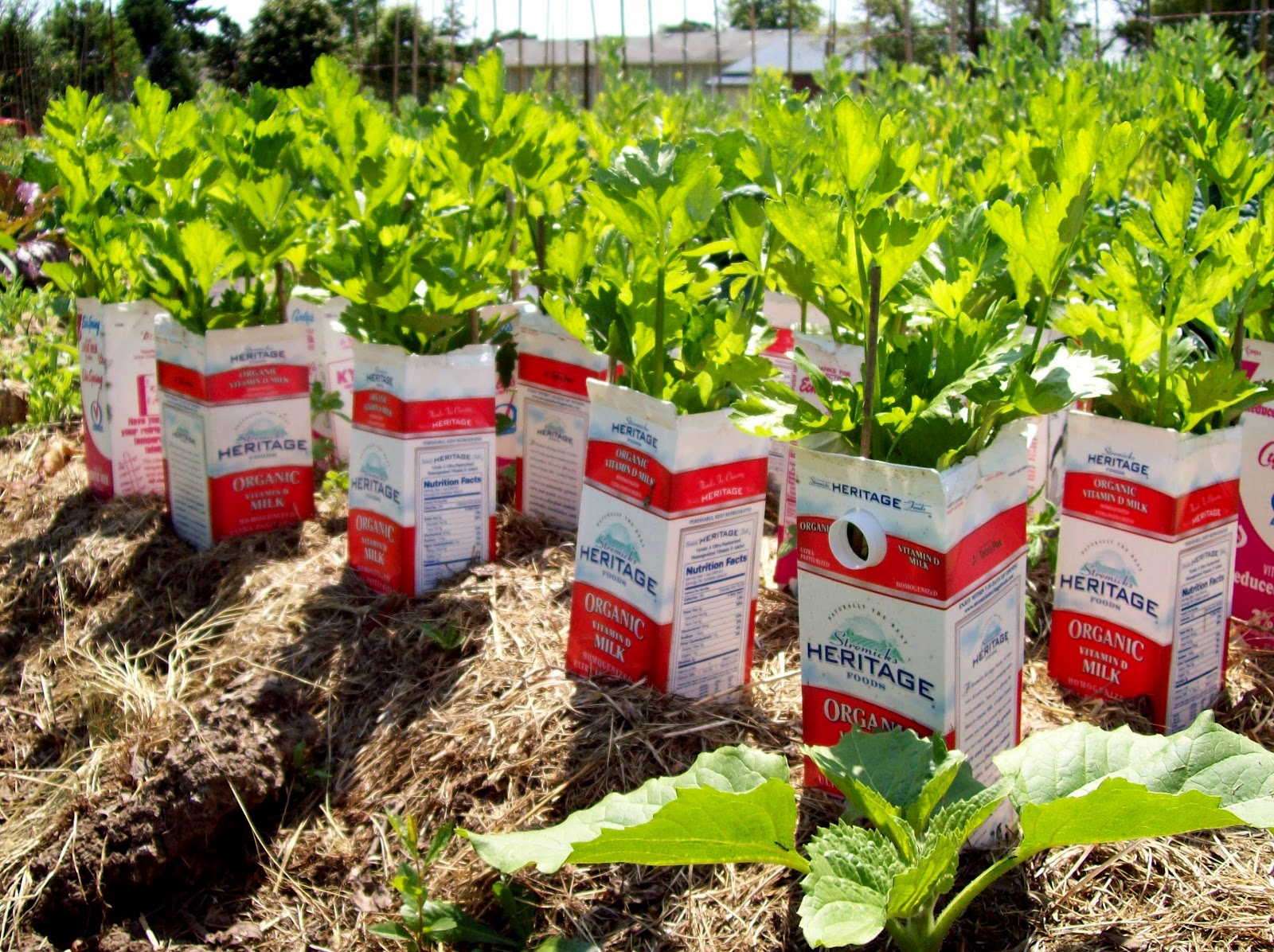
Llyn and Jennifer Rivais putting collars on celery.

Mike Briggs with elephant garlic.

OSU students transplanting Spring crops.

Rann Millar running the "beast"!

Sierra and Mike painting the counter-top for garden sink.

David Roux with a large donation of grass-hay from his property.

Jennifer takes home a load of starts for her home garden. Llyn on the right.

John Kinsey and Llyn planting out peas - Spring crop.

Larry Winiarski sifting sheep manure for potting mix.

Llyn and Doreen transplanting marigolds.

Llyn and Ricardo planting onions.

Chris gives Ricardo a lesson in wheelbarrow repair.

Rob and Lucy planting scarlet runner beans.

Betty, Mike and Sierra Briggs transplanting fall crops of kale.
Life is good!

Sunday, July 15, 2012

Mulch We Love - and Why

Here are the kinds of mulch we prefer, and why:


Bedding straw:
Straw is from the stalks left standing after grains are harvested (wheat, barley, rye). It consists just of the lower stems of the plant. We prefer the straw because it doesn't have as many seed-heads (which means less weeding for us). We can use straw straight out of the bale, or raked out of animal stalls. The benefit of used straw is that it contains urine and manure from the livestock which functions as fertilizer for the garden. We can also use spoiled hay. (Pictured at left)


Autumn Leaves: Leaves from maples and fruit-trees are some of our favorites. In the fall we either put them directly in the garden rows so they will decompose over the winter or rake them into big piles and cover them in plastic for use in the spring. Not all leaves are beneficial. Walnut leaves (for example) are toxic to many plants and will retard their growth or actually kill them. (Below: A big load of autumn leaves diverted from the landfill/burn-pile)


Grass Clippings: Some people like to leave grass clippings on their lawns/fields because they act as a mulch and fertilizer for the growing grass. Other people have collection-bags on their mowers and pile their grass clippings in one place. Grass clippings make an excellent garden mulch and fertilizer as they are easy to spread and compost readily making the nutrients easily available to your plants. We don't recommend bagging up your lawn clippings because they will become a stinky, gooey mess if they decompose in an airtight container or bag. If you wish to save grass clippings for later use, either leave them in the lawn/field for a few days in the sun and rake them after they've dried or use your bagger-mower to collect and then spread them just a few inches thick on a large sheet of plastic, in the sun, and they will dry quickly. Then you can store them in bags for use at a later time. (Below: Spoiled hay mulching on a lawns-to-gardens project. Cox Lane Garden)

To read our full post on 'deep mulch' methods, Click Here.

Also: Herbicide Contamination in Manure, Compost and Grass Clippings?

The Sharing Gardens is a non-profit and tax-exempt organization. We exist entirely through donations. If you have found benefit from our project or our site, please consider making a donation through PayPal. (Click button below.)

Tuesday, July 10, 2012

Sharing Spreads Across the Globe

Sharing Gardens are growing -- around the world!
Sometimes Chris and I feel our faith weakening. We witness the enormity of the world's problems and wonder how our little project can even begin to make a difference. But then we'll hear of others who are implementing similar projects in other parts of the country, or around the world, and our spirits are lifted. This post features two of the many projects we've heard of in recent times. We hope their stories will lift your spirits as well.

Back around the New Year of 2012 we received a beautiful email from a young man in the Philippines, named Rey Mendoza. He had seen our Peak Moment video interview (LINK) and was inspired by our project. Faced with many similar challenges to those we experience here in the U.S., such as toxic agri-business farming practices, poor nutrition choices amongst people who just don't know any better, and a feeling of disconnect--a loss of community, Rey decided to start a Sharing Garden.

The joys of gardening start young.
Our email conversations have been rich in content and the teaching/learning goes both ways. We have sent along encouragement and tips on how to develop himself as a leader and teacher, and he has been educating us about his country. Once a lush and varied landscape of tropical fruits, now the most fertile lands have been cleared and planted with crops of bananas, pineapples and other high-demand fruits that are exported to feed people in wealthier countries. Because the farmers use modern practices of farming that use lots of chemicals, and don't replace the organic matter that comes with constant harvesting, their soil is being depleted and the ground-water polluted. Many Filipino farmers have been sold on the idea of chemical farming which, in the first few years, yields a surplus of produce. What they were never told is that their crops then become dependent on the chemicals and, after a few years, their yields steadily decline. They must apply more and more expensive chemicals and they get fewer and fewer returns for their money. Even though the majority of Filipino bananas go to Japan, this story is repeated in any tropical country that exports its fruit to America. This is why it is so important for consumers in America to insist on, and only buy, organic produce. Not only will we be eating healthier ourselves (without chemical residues in our food) but we will have a positive impact in the countries where the food is grown for export.

Bread Homes Sharing Gardens involves many children.
Though English is his second language, Rey writes beautifully. It is inspiring to read of his persistence in bringing his vision for a garden and community-center to life. Here is a link to his blog: Bread Home Sharing Gardens
Bread Home Sharing Gardens is a volunteer-run community gardening project in Davao City, Philippines open to people of all ages which practices and promotes an organic model of producing food and medicine. It also aims to educate and inspire others while building a community based on caring and empathy that will uphold the principle of sharing not only food and resources but also skills, knowledge, and other important things in life.
Back in January, when we first "met" Rey, we sent him a box of seeds. We researched the vegetables that we grow here that would also grow in his climate and shared extensively from our seed-bank. Most of the seeds we sent were ones we'd saved ourselves. We encouraged him to reach out to his community, as we have, to find materials and tools he could divert from the waste-stream. It was eye-opening to realize that, as an island, and with many people living in poverty, there really isn't much of a waste-stream. Everything that can be re-used, is re-used. For this reason we would like to appeal to the circle of people who read these posts. If you feel moved to support this worthy and inspiring project, we ask you to send a donation to us and we will forward it all to Rey and the Bread Homes Sharing Gardens.

Potatoes given out at San Francisco's Free Farm Stand
Closer to home, in the heart of San Francisco we have an example of a "Sharing"-type garden and gleaning project that thrives in an urban setting. The Free Farm and Free Farm Stand are the projects of a man who goes by the name of Tree. Tree was inspired by the "Diggers" in the Haight Ashbury District of San Francisco back in the 60's and 70's. The Diggers were known for giving away free food on the streets. They opened "stores" which simply gave away their stock: food, clothing and household items. Their clinics provided free medical care and the Diggers also helped people  who were in need of transportation and temporary living-shelter. The original Diggers were a group of displaced farmers in England during the mid-1600's who attempted to reclaim the Commons (land not owned by private individuals) to give access to food and housing to the poor of England. (LINK to Wiki article on the Diggers.)

The Free Farm is a garden started on land loaned by St. Paulus Church in San Francisco. Volunteers grow and harvest the produce while learning organic gardening techniques; much as we do at the Monroe Sharing Gardens. The food that is harvested, along with surplus from the local farmer's markets and produce gleaned in the city and from surrounding farms, is all brought to a public park and distributed weekly, free of charge, to any who come. In a recent email, Tree wrote to us, "Our project is similar to yours in that I am really trying to do more than just give free food away...I am trying to create a network of neighbors growing food and sharing their surplus with those in need."

San Fran's Free Farm Stand gives away food gleaned and grown in the Bay Area.
The Free Farm has been given notice that they may need to relocate from their current site. Here is a video from two women, Tash and Anna (students of the Academy of Art University) who have  been making a documentary, over a number of months, about the Free Farm. Tree said (on his own site) "I am posting it here because it is really great and it gets our philosophy down pat! The two women have an ending to the video which is what they thought "a call to action" should be. I think it is a bit premature as we actually have two to three years before we may have to move. The property we are on is owned by St. Paulus Church who is generously allowing us to grow food here to give away and we are a resurrection of their church that was here and burned down in 1995." Much could happen before the moving deadline arrives, so the urgency expressed in the video may be premature. But, if you live in the Bay Area - The Free Farm and Free Farm Stand could always use more volunteers.  Here is a LINK to the video. A LINK to the Free Farm blog and a LINK to the Free Farm Stand blog.

Monroe Sharing Garden - July 6, 2012
These projects are just two of the many we have heard of cropping up. It seems that people around the world are seeing the importance of learning to grow food without the use of harmful chemicals and are yearning for a connection with their neighbors. The urge to be generous towards those who are in need is one that needs cultivation wherever it springs up. It is good to know that these projects are taking root in cities, in rural areas and in other parts of the world as well.
"Never doubt that a small group of thoughtful, committed citizens can change the world. Indeed, it is the only thing that ever has." - Margaret Mead
Here are links to other posts we've previously written about garden-sharing projects:

The Generous Garden Project in South Carolina, USA
Todmorden, England - a whole village working towards food self-sufficiency.

Yes we can grow celery here. Monroe, Oregon 2012

Tuesday, June 19, 2012

The Generous Garden - SC

We recently heard of another "Sharing"-type garden in South Carolina called the Generous Garden Project. They too grow food on a volunteer basis and make it available for free to Food Banks, Shelters and others in need. They are excited to announce that they have been gifted with two, twenty acre parcels of land to expand their project! Watch this inspiring video made several years ago when the project was just getting started.  Enjoy, and be inspired!


Check out their site if you wish to learn more about them.


Tuesday, June 12, 2012

Enough and To Spare, To Give and To Share

Signs indicate where donors can leave materials. Chris tills the ground with greenhouse in the background.
"So, are you getting enough volunteer participation this season?" asked a visitor to the Sharing Gardens last week. The answer is, we're getting "enough" but not very much. Of the 4,000+ seedlings we started in our new greenhouse (mostly from seed we saved ourselves) and the hundreds of those transplanted into the ground, we've probably done 95% of them. But we're not feeling burdened by this and in fact, in some ways we're feeling more supported than ever this season. The donations we're receiving of cash and materials free us to spend less time earning a living and more time in the garden (anywhere from two to six hours a day) growing food to help those in need. Support is showing up in other important ways, outside the garden, that help us keep things moving forward.

Beautiful worm-compost.
For example, Monroe resident John Kinsey has a red-wiggler worm farm in his backyard. He takes kitchen scraps, weeds, grass clippings and other organic material and feeds it to his worms who turn it into fantastic compost and worm castings (poo). He also brings us bags and bags of grass clippings from his own and other people's yards which we use to mulch our plants. John is also growing this year's garlic crop in his raised beds and will grow exclusively Jalapeño pepper plants so that he can save pure seed. He lives close enough that it will be easy for him to share in the bounty of all the other kinds of peppers and garden produce grown at the main garden-site so it's a real win-win all around.

Sam and Becky Bowman, with Chris.
Sam Bowmen has been another friend who's been doing all our small-engine repair and maintenance. Brother to Loren, who started the Monroe Food Bank, and Curtis, who manages it now, he comes from a family of community servants and has extended himself generously to keep our tillers, mower and string-trimmer running smoothly. Sam and John are both examples of people finding where their own talents and interests can intersect with the garden's needs and, though they may not be physically in the gardens with us, their support makes the gardens possible.

Volunteers plant tomatoes amidst straw -mulch paths.
Support has also come in the form of donations of materials and money. Mark and Heather Frystak keep amazing us with their generosity. Heather's family has lived in the area for generations and, though Mark has "married in" he's become a major networker and advocate of the Sharing Gardens by securing donations of coffee grounds (from relatives who run a coffee shop in Albany) and straw from Soggy Bottom Farms near Harrisburg (also part of his new extended family). The Frystak's generosity has not stopped there. Mark keeps a regular watch on the Wish List published on our website and, showed up with 22, brand new, ten-foot T-posts. The really amazing donation followed our request for a set of tires for our 1968 GMC pick-up truck. We were hoping someone might have a used-set sitting in their barn or garage, that they're not needing anymore. Imagine our surprise when Mark sent us an email saying, "Meet me at Les Schwab tire store, and I'll make it happen." And he did. he bought us a brand new set!

Amy, Cindy and Adri sort donated pots and flats.
Our friends and neighbors, Larry and Germaine Hammon, not to be outdone, have donated an 18-foot, fifth-wheel travel trailer, in very good condition. We just need to do some minor repairs and detailing and it's up for sale. All proceeds will go directly into the Garden account. In the past six weeks we have also received a $1,000 grant from the OSU Thrift store, a generous cash donation from Claudia McCue, several hundred dollars in donations from people who have come for seeds and starts at our "Give-aways", and a full $200 donation from the Circle of Children Village/School at Triangle Lake who received the last of our starts on Sunday, June 3rd. Thanks got to Gini Bramlett and the Tribune News for publishing so many of our posts and helping us reach people who don't have internet access. Rann and Doreen Millar bought the Gardens a subscription to the Tribune News so we can clip the articles for our scrapbook. We are also grateful for the delivery of sheep manure from David Wells and steer manure from Mike Spoerl (who also gave us a 55-pound bag of powdered kelp.) Keep it coming!

So, though we welcome more volunteer participation in the garden, and are grateful to those who have already been coming out in support, you can see, we are being well embraced by the community.

Other Sharing Garden news:

As many people know, we are no longer gardening at the Alpine site. Building the greenhouse in Monroe has meant we must go there at least once a day for watering and we felt it would spread us too thin to manage and maintain both sites. The fence is still up and it appears some local residents are carrying on with the gardening, which is wonderful.
OSU students help us mulch and plant in April.
In April, we had four volunteers from OSU's Geo 300 class come and help us with mulching and transplanting broccoli, kale, lettuce, chard and spinach. They were a huge help. Imagine our chagrin when, only three days later, two of the four rows planted had been decimated by slugs which were practically growing before our eyes. Follow this link to read about the non-toxic, simple solution we discovered to bring these voracious eaters back into balance.

Volunteer, Jennifer Rivais and Llyn wheel a cart-load of starts for Jen's garden.
In May we were invited to give a presentation to the United Methodist's Lady's Tea - an annual event dating back many decades. Ours was one of their best attended (over 35 ladies). We ran a slide-show of about 100 images of volunteers and bounteous harvests, while answering questions from the audience so they could direct the presentation based on their interests. We provided potted Cosmos and Marigolds, and the Church served strawberry shortcake. My favourite moment was when we invited the ladies to come on a tour (the gardens are directly behind the church) and a dozen or so made their way, in their Sunday finest, along the freshly mulched paths and into the jungle of greenery filling the greenhouse. It looked like we'd been graced by a flock of rare, tropical birds. If you are local and have a group who would like to see an inspiring and informing presentation, contact us to set up a time.
Pink Cosmos
On Sunday, June 10th, we hosted a potluck/picnic for the Corvallis Organic Gardening Club - a group that meets monthly throughout the year to share best practices on organic gardening and enjoy each others company. Through the winter months the group meets at the 1st Alternative Co-op in Corvallis for seed swaps and talks on relevant topics. In the summer months we tour member's gardens. It was very gratifying to share about our project and gardening practices. Chris and I both led groups around and fielded questions. The bonus of the evening was live entertainment from one of our favourite, local bands - "When Picks Fly". They brought a down-home, Old-Tyme style of acoustic, stringed instruments. "When Picks Fly" will also be playing at the Farm to Farm Century Ride - our second, annual fund-raiser that features a cyclists' tour of small scale farms, and focuses on "Eating Local and Healthy."

"When Picks Fly" Joe, Kathy, Shep and Warren (l to r) Toe tapping fun at the Sharing Gardens!
Current needs:
We have used up the last of the straw that was previously donated and still have need of several tons more. We use a deep-mulch method that feeds the soil as the worms digest the organic matter from below. The 4-8 inches of mulch also block weeds from growing and moderate the temperature and moisture levels of the soil minimizing our need to water and giving the plants a stable environment in which to grow.

If you are a rancher, or have horses and need to get rid of last year's hay to make way for the new, please bring it to us. We can provide a tax-receipt for your donation and you will know you are contributing to a worthwhile cause.
OSU students apply deep mulch in the paths. The garden uses literally tons of hay, straw and other organic materials each year.
For our full wish list click here.